This article is a part of my free Exploring Sous Vide email course. If you want to discover how to consistently create amazing food using sous vide then my course is exactly what you're looking for. For a printed version of this course, you can purchase my Exploring Sous Vide cookbook.
In previous lessons we discussed How to Determine Sous Vide Temperatures and How Sous Vide Times Work, today we are going to tie it all together and discuss how to cook beef and other red meat. I'll cover some of the time and temperatures I recommend for certain kinds of meat and give you the reasoning behind them so you can make your own decisions.
Before we get to the time and temperatures, lets discuss what exactly I mean by "Red Meat". Generally, red meat refers to the meat from mammals and it all behaves pretty similarly. The ones I am most familiar with are beef, lamb, venison, and veal but I have also discussed recipes with readers who cook moose, elk, bear, kangaroo, bison, and many others. Usually pork is treated differently than red meat and we will discuss it in a future lesson.
Most red meat behaves similarly but the type of animal, and how it was raised, can lead to a few differences. Just like field-raised grass-fed cows produce meat with different cooking requirements than grain-fed feedlot-raised cows, the amount of exercise the animals get and their diet will be reflected in their meat.
Knowing that the meat generally behaves the same, you can easily apply the following times and temperatures to most types of red meat. For instance, if you have a piece of meat you normally grill to medium rare like a deer tenderloin, you can use a time and temperature for a piece of beef sous vided to medium-rare, then adjust the times as needed.
The same goes for a tough cut of meat, say a moose shoulder, that you want to shred. Just follow the time and temperature for shredded beef and you should come close.
Warning: One concern is pathogens that might be present in wild game. If you are eating wild game, cooked traditionally or with sous vide, you should make yourself aware of the pathogens and what temperatures are needed to kill them as it may differ from beef.
Sous Vide Beef Videos
Pre-Sous Vide Preparation
There are lots of things you can do to beef and red meat before you sous vide them. The meat is often portioned out, fat and other tough parts are removed, and the meat is shaped. It's usually then salted or a spice rub is applied. Spices, herb, sauces, and other flavoring agents can also be added to the bag.
When you are sous viding beef or other red meats there are two main directions you can go. The first is to create a steak-like texture, and the second is to end up with a more pull-apart, braise-like texture. Regardless of the type of meat, the texture you are aiming for will determine the temperature you will use.
Steak-Like Texture for Sous Vide Beef and Red Meat
Steak-like texture is what you think of when you think of a typical steak. It's usually filet, ribeye, sirloin, flank steak or another tender cut that is traditionally grilled or pan fried.
With sous vide, you can also cook tough cuts at a low temperature for an extended period of time, usually 1 to 2 days, and the result will be steak-like. This is often done with brisket, chuck roast, ribs, top round and other tough cuts.
The temperatures used for steak-like texture are the easiest to determine. Most cooks, or eaters, generally know how they like their steaks, either rare, medium rare, medium or (gulp) well done. Those donenesses correspond to specific ranges of temperature, so you can have an easy starting point.
Rare: 120°F to 129°F (49°C to 53.8°C)
Medium Rare: 130°F to 139°F (54.4°C to 59.4°C)
Medium: 140°F to 145°F (60°C to 62.8°C)
Well Done: Above 145°F (62.8°C)
Warning: Just a reminder that if you drop the temperature below 130°F (54.4°C) you are in the danger zone, not killing any pathogens, and shouldn't cook the steak for more than an hour or two.
If you are unsure of the specific temperature in the ranges above you like your meat cooked, I recommend starting with 125°F (51.6°C) for rare, 131°F (55°C) for medium rare and 140°F (60°C) for medium. You can then adjust the temperature up or down in future cooks to better match your preference.
If you are cooking for people who like their steaks cooked to different temperatures you have a few options. I go into them in more depth in our companion lesson on How to Sous Vide Steaks to Two Different Temperatures.
Traditional Braise-Like Texture for Sous Vide Beef and Red Meat
The second direction you can take red meat is in a more braise-like preparation. This is food that is similar to shredded beef, braised meats, and other "low and slow" preparations. The cuts used for this are tough and generally high in fat and connective tissue, such as chuck roast, shanks, brisket, and many roasts.
As the food cooks at a higher temperature, the connective tissue breaks down, making the meat flaky and shreddable. The higher the temperature you use, and the longer you cook it, will cause the meat to break down more and more.
Most braise-like temperatures range from around 150°F up to 185°F (65.6°C to 85°C). The temperatures I recommend starting with are:
156°F (68.8°C) for a shreddable, but still firm texture
Once you've cooked meat to those temperatures you will have a better feel for the texture that results from each one. Then you can tweak the temperature and the time it is cooked to meet your standards.
Sous Vide Times for Red Meat
When you start to determine how long to cook a piece of red meat for, you first need to determine what type it is. There are broadly 2 types of red meat: tender cuts and tough cuts.
Tender Cuts of Beef and Red Meat
Tender cuts are those pieces of meat that just need to be heated through, and maybe pasteurized, before you eat them. This is usually most types of steak, tenderloins, and other cuts you would usually enjoy grilling or pan frying.
In general a piece of meat will be heated through at the following rate:
1/2" (13mm) thick in 35 minutes
1" (25mm) thick in 70 minutes
1.5" (38mm) thick in 2.5 hours
2" (50mm) thick in 3.5 hours
You can follow the charts on the Sous Vide Cooking Times page for the specific amount of time. Most red meat heats closely enough to each other for the charts to work well across most animals.
Tough Cuts of Beef and Red Meat
Tough cuts of meat require extended cooking times to break down and tenderize the meat. The amount of time will depend greatly on the cut. These times will usually range from 18 hours to 2 days. I have extensive time recommendations in my Sous Vide Time and Temperatures article.
If you are cooking a type of meat that is not covered, like elk or kangaroo, you can generally find a similar cut of beef or lamb and then start with the time recommended for it.
In-Between Cuts of Beef and Red Meat
Some cuts do not fall directly into the tough or tender categories. A good example of this is flank steak or sirloin. Both cuts can be just heated through and served, but extended cooking can tenderize them slightly more, resulting in a much more tender steak. Most of these cuts can benefit from a 5 to 10 hour time in the sous vide bath.
How to Finish Red Meat
To finish red meat I will usually dry it really well, salt it and then sear it. This gives it a much more appealing look and adds a lot of great flavor to it. To sear red meat I usually pan fry it or grill it.
I also often will use a torch. If I'm deep frying something else I'll often use the oil to deep fry the meat as well.
Whatever method you use, you will want to sear it very quickly to prevent it from overcooking any more than is necessary. You can read more about How to Sear After Sous Vide.
Some people also smoke their meat after it has been sous vided, especially for brisket and other barbecued meats.
Sample Sous Vide Recipes for Red Meat
Here are a few of my favorite sous vide recipes for different types of red meat. My best-selling Modernist Cooking Made Easy: Sous Vide also has many more recipes for you to explore.
Welcome to the ultimate guide to sous vide steak. We'll take you through the general process of cooking sous vide steaks as well as the safety behind it.
This information, as well as over 100 recipes, is available in my best selling Sous Vide Cookbook which you can get at Amazon.com.
Benefits of Sous Vide Steak
There are two main benefits to cooking steaks and other tender cuts of beef with sous vide. The first benefit is that sous vide allows you to cook a perfectly done steak every time. The other benefit is the ability to turn tougher, but more flavorful, steaks such as flank steak into very tender steaks through longer cooking times.
This is accomplished because cooking tough cuts of beef with sous vide allows you to break down and tenderize the meat without cooking it above medium-rare and drying it out.
Once temperatures in beef go above 156°F (68°C) the meat begins to dry out and become more bland, however, they also start to tenderize more quickly which is why tough roasts and braises are done for hours at high temperatures. Using sous vide, you can hold the meat below 156°F (68°C) for a long enough time for the tenderizing process to run its course.
I often use sous vide cooked steak as a basis for many normal steak dishes, such as fajitas or steak salad. You can also just add a nice salsa or sauce to the top and eat it plain. You can also use it in any of your favorite recipes, simply replace the cooking step in the recipe with the already cooked sous vide steak and then continue the rest of the recipe.
Sous Vide Steak Safety
The FDA states that beef is safe when it is held at 130°F for over 112 minutes, or 140°F for over 12 minutes. This is very easy to do with sous vide and the main reason we recommend cooking most beef cuts medium-rare since beef is most tender at that temperature.
Additionally, the center of "whole" muscles are sterile but due to some mechanical tenderization that some meat packagers use the muscles can be compromised so unless you trust your supplier it is advisable to cook beef to 130°F throughout and then pasteurize it with sous vide.
Medium-rare steak is cooked between 130°F to 139°F, we recommend cooking it at 131°F to give yourself a few degrees of temperature variation above the bottom of the safe zone but feel free to experiment with any temperatures in that range. Depending on the toughness of the cut of beef, it may need to be cooked anywhere from 2 hours up to 1 or 2 days.
For each sous vide steak we also give directions for medium, these are normally cooked between 140°F and 149°F, though we recommend not going above 140°F because the beef begins drying out quickly and with sous vide there is no gain in food safety above 131°F.
Most steaks can be cooked sous vide for 2 to 4 hours and will result in a more tender version of how that steak traditionally tastes. However, for some tougher steaks longer cooking times can result in steak with tenderness rivaling tenderloin, with no loss of the full, beefy flavor these cuts are known for.
It is also good to keep in mind that different quality of meat cooks at different speeds, for instance most grass fed beef cooks faster and needs less time to tenderize.
Sous Vide Steak General Process
The normal method of cooking steak with sous vide is very simple.
First, preheat your sous vide machine to the temperature desired, we recommend 131°F to 140°F for most cuts.
Take the meat and sprinkle it with salt and pepper and seal it into a sous vide pouch. You can also season the meat before sealing it with any normal seasoning such as:
Fresh or dried thyme or rosemary
Any spice powders such as onion, garlic, paprika, coriander, or cumin
Chili powders like ancho, chipotle, cayenne
Marinades (though you don't need much)
Sauces like A1 steak, worcester sauce, BBQ sauce, etc.
If adding a sauce or marinade make sure your vacuum sealer does not suck it out, you can normally seal it before all the air is out to prevent this just fine. Also, be sure to be careful with sous vide garlic, onions, or ginger, as they can have odd flavors.
After sealing the pouch place it into the water bath for the indicated cooking time.
Once it's fully cooked remove it from the pouch and pat dry. At this point you can sear the meat in a hot skillet or grill it over high heat to add a nice crust to it.
Once the sous vide steak is done cooking you can use it as you would any steak including cutting it up for salad, slicing it for fajitas or just eating it plain. You can also make a nice gravy or pan sauce from the liquid leftover in the sous vide pouch.
Another very convenient use of sous vide is to use it to defrost and cook steaks that come straight from the freezer. As long as the steak is vacuum sealed in a suitable bag you can take it directly from the freezer and put it in a pre-heated water bath. Just add 30 to 60 minutes to the cooking time and it should come out perfectly.
This sandwich is beyond delicious. The beef comes out perfectly medium rare and infusing the tallow adds some strong herbal notes to the jus and the beef itself. If you're like me, you'll probably eat as many slices of beef cold as you put it through the slicer as you do in the sandwich!
Sirloin steaks are one of my favorite everyday steaks, because they're not that expensive and they're filled with great beefy flavor and light marbling. Especially when you use sous vide, you can tenderize them a little bit, and it turns them into an even better cut of meat.
This recipe for sous vide New York Steaks combines them with a fresh blueberry shrub foam and spicy apritcot gochujang preserves to round out the flavors.
This is the perfect surf and turf dish! In true Maryland style, I used jumbo lumb crab and lots of old bay for a new twist with classic sous vide steak Oscar recipe.
This simple sous vide chuck steak recipe is one of my go-to steak recipes that will highlight the power of tenderization through longer sous vide times.
When I'm looking for a quick but flavorful meal, I'll often turn to a steak with tomatoes and wilted spinach. Any type of steak will do, but I really enjoy sous vide sirloin steak because it's flavorful, pretty tender, and not nearly as expensive as the higher ends cuts.
Sous vide strip steak is one of my favorite meats to make. It's rich and flavorful, but not too fatty or tough. I love to pair it simply with a crisp salad and some herb butter to round it out. And don't let the picture fool you, it makes for an amazing weekday meal that comes together really quickly.
In a recent Ask Jason session Paul asked "Texture seems to be a problem with my steaks. What about a 2-inch thick New York strip to get steakhouse texture? - Paul McLester
See how Jason answered Paul.
I love a huge, fancy ribeye with a nice demi-glace and some wine, but sometimes I just need something quick for a weeknight meal! When that's the case, I love to turn to this sous vide ribeye dish. It is served on a simple white bean puree with some garlicky kale. It comes together really quick but is still full of great flavor.
I love sous vide chuck steaks, but to offset their fattiness I try to pair them with really light sides. This recipe uses sauteed asparagus and cherry tomatoes, along with shishito peppers to fill out the meal and keep it from getting too heavy.
Sous vide strip steak is one of my favorite steaks to cook. Strip steak is less expensive than ribeye or filet because it can be a little tough, but with sous vide it can be cooked long enough to tenderize it. It only needs to be heated through, usually 2 to 4 hours, but I'll often let it go an extra few hours to soften it up some.
It is only recently that I've been experimenting with different types of succotash. I really like the combination of beans and corn with a little citrus and spice added. It's a great summer dish but can also be great in winter.
This sous vide recipe cooks bison then combines it with an egg-based carbonara sauce topped with sauteed fresh vegetables. It also works well with tender cuts of either deer or elk meat.
Late spring is always a favorite time of year to cook for me because of all the unique ingredients you can find. At the store this week I came across fresh morel mushrooms and garlic scapes. These are both ingredients you can usually only find in spring, especially in the New York area, so I jumped at the chance to get them. I ended up pairing them with a great sous vide ribeye steak.
Today we are going to tie it all together and discuss how to cook beef and other red meat. I'll cover some of the time and temperatures I recommend for certain kinds of meat and give you the reasoning behind them so you can make your own decisions.
Even though cranberries are a staple for Thanksgiving sauces they are often overlooked for more traditional sauces. Their combination of tartness and mild fruitiness is a great complement to many BBQ sauces. I like to serve this BBQ on a smoked and sous vided brisket.
I was looking for a hearty, but easy, weekday meal so I decided to do a sous vide sirloin steak with roasted root vegetables. Sous vide sirloin steak is one of my favorite cuts to eat. It is on the leaner side but still has enough marbling to make it flavorful without being too fatty. It's also much less expensive than a New York strip or a rib steak, making it more accessible for a weekday meal.
Sous Vide London Broil can be a hard dish to troubleshoot because it could be one of several different cuts but cooking it for 72 hours probably will dry it out.
Flank steak is full of beefy flavor and has a great bite to it. Serving it with chimichurri, a spicy garlic and parsley based sauce, is very popular in Argentina and other South American countries. This recipe makes an excellent choice for a party!
This recipe combines lime and ginger which are two great ingredients to pair with the bold flavors of the sous vided sirloin steak. I like to add texture and brightness to the dish by combining them in a vinaigrette-style sauce that is drizzled over a crispy cabbage and pepper slaw topping.
This family favorite summer recipe tops a flavorful, tender sous vided hanger steak with fresh peach salsa. When using sous vide, a convenient hands-off cooking method to prepare this underutilized cut of meat, you have even more time for relaxation. The salsa is simple to prepare and really highlights the flavor of the peaches while still complementing the steak.
I'm a huge fan of steak, but sometimes I don't want to kill myself with a really heavy meal. Serving the steak with a lot of vegetables is a great way to lighten it up and add a lot of flavor. This sous vide chuck steak recipe combines the steak with some asparagus, cherry tomatoes and shishito peppers.
This sous vide tri-tip steak recipe takes full advantage of the rich, meaty cut and is tenderized through the sous vide process and pared with an exotic fennel, orange, and olive salad.
Sous vide filet mignon, or beef tenderloin, is a super tender, lean cut of beef that is often served as a fancy steak and works great with the low temperature precision cooking.
Sous vide flank steak can be a great low cost meal. Flank steak is becoming more expensive as it increases in popularity but you can still find good deals on it sometimes.
One of my wife's favorite foods is quesadillas, luckily for me they are easy to make and can have a lot of variety. For sous vide quesadillas you simply cook the meat ahead of time then assemble the quesadillas when you are ready to eat.
Often during the week you only have time for a quick meal. These Asian Glazed sous vide ribeye steaks are one way to still have a flavorful dish without spending a lot of time in the kitchen.
Because it is already very tender there are several ways to sous vide ribeye steak. You can cook it by thickness, using a sous vide thickness ruler, just long enough to bring it up to temperature. You can also cook it for up to 8 hours because of the amount of fat in the steak. One of my favorite ways is to sous vide it for several hours then chill it in a 1/2 ice - 1/2 water bath.
Use sous vide to serve great meals around a busy schedule. One of the ways sous vide can do this is by taking a traditionally difficult meal and making it very easy. For most people, doing a BBQ brisket during the busy work week is impossible because there is no time to smoke and grill it for hours.
Using sous vide for the brisket allows you to prep and bag the brisket in 10 minutes when you have time. Then a few days before you want to eat simply put it in the water bath and forget about it. Once it's cooked you quickly sear the sous vided brisket and you're all ready to eat.
Even though sous vide steak recipes are very prevalent it's hard not to write about them in summer because I spend so much time outside grilling. I also love the convenience of sous vide steak. I can toss a pouch into the water bath and whenever we're ready to eat later in the day I can pull it out and quickly sear it on the grill.
One of the hard parts about summer cooking is keeping the food light. While I love pulled pork, big steaks, and juicy hamburgers I can only take so much heavy food. This sous vide beef salad with figs recipe is a nice alternative to some of the heavier meals while still giving me my beef fix.
Now that spring is finally coming around, it's time to start grilling. There's lots of ways to utilize sous vide with your grill but sometimes you just want a simple meal with some grill flavor. This sous vide recipe fits the bill.
One of the most convenient uses of sous vide cooking is to use it to defrost and cook foods that come straight from the freezer. As long as the food is vacuum sealed you can take it directly from the freezer and put it in a pre-heated water bath. Just add 15-30 minutes to the recommended cooking time from the sous vide recipe and it should come out perfectly.
This sous vide recipe for steak salad is a different use of the sous vide technique. Instead of using sous vide to cook the meat for a long period of time, you use it to add perfectly medium rare steak to your salad. The thyme and garlic help add a little kick to the steak while the honey mustard dressing adds a strong flavor to the salad itself.
Do you have any great tips and tricks you've discovered for cooking red meat? Have any follow up questions you need answered? Let me know in the comments or on the Exploring Sous Vide Facebook group.
Lesson Recap
In this lesson we discussed how to sous vide beef and other red meats. We looked at how to break down meat into tough vs tender cuts and decide if you want a steak-like or braise-like texture.
Thanks again and happy cooking!
Jason Logsdon, Amazing Food Made Easy
This article is a part of my free Exploring Sous Vide email course. If you want to discover how to consistently create amazing food using sous vide then my course is exactly what you're looking for. For a printed version of this course, you can purchase my Exploring Sous Vide cookbook.
This article is by me, Jason Logsdon. I'm an adventurous home cook and professional blogger who loves to try new things, especially when it comes to cooking. I've explored everything from sous vide and whipping siphons to pressure cookers and blow torches; created foams, gels and spheres; made barrel aged cocktails and brewed beer. I have also written 10 cookbooks on modernist cooking and sous vide and I run the AmazingFoodMadeEasy.com website.
Affiliate Disclaimer: Some links on this site might be affiliate links that if used to purchased products I might receive money. I like money but I will not endorse something I don't believe in. Please feel free to directly go to any products I link to and bypass the referral link if you feel uncomfortable with me receiving funds.
Like What You've Read?
If so, please join the more than 19,000 people who receive my exclusive newsletter and get a FREE COPY of my printable modernist ingredient cheatsheet. Just click on the green button below!
Get Started!
You're Almost Done!
Thanks for signing up! I look forward to sending you recipes, links, and exclusive content and offers that you can't find anywhere else on the site, and I'll send you a free copy of my modernist ingredient cheatsheet too!
Enter your first name and email below, and I'll see you on the inside!
You're On Your Way to Sous Vide Success!
Thanks for signing up! I look forward to guiding you through the process of discovering sous vide with amazing articles, recipes, and tips and tricks you can use to impress your friends and family by turning out amazing food time and time again!
Enter your first name and email below, and I'll see you on the inside!
Want to Level Up Your Sous Vide Game?
My FREE email course will help you make perfect meats, master searing, and discover the sous vide times and temperatures you need to make everyday food amazing...and impress your friends and family.
Cookie Consent
This website uses cookies or similar technologies, to enhance your browsing experience and provide personalized recommendations. By continuing to use our website, you agree to our Privacy Policy




 This sandwich is beyond delicious. The beef comes out perfectly medium rare and infusing the tallow adds some strong herbal notes to the jus and the beef itself. If you're like me, you'll probably eat as many slices of beef cold as you put it through the slicer as you do in the sandwich!
 Sirloin steaks are one of my favorite everyday steaks, because they're not that expensive and they're filled with great beefy flavor and light marbling. Especially when you use sous vide, you can tenderize them a little bit, and it turns them into an even better cut of meat.
 This recipe for sous vide New York Steaks combines them with a fresh blueberry shrub foam and spicy apritcot gochujang preserves to round out the flavors.
 This is the perfect surf and turf dish! In true Maryland style, I used jumbo lumb crab and lots of old bay for a new twist with classic sous vide steak Oscar recipe.
 It's hard to beat duck fat mushrooms! They are so rich and decadent and pair wonderfully with a beefy sous vide hanger steak.
 This simple sous vide chuck steak recipe is one of my go-to steak recipes that will highlight the power of tenderization through longer sous vide times.
 When I'm looking for a quick but flavorful meal, I'll often turn to a steak with tomatoes and wilted spinach. Any type of steak will do, but I really enjoy sous vide sirloin steak because it's flavorful, pretty tender, and not nearly as expensive as the higher ends cuts.
 Sous vide strip steak is one of my favorite meats to make. It's rich and flavorful, but not too fatty or tough. I love to pair it simply with a crisp salad and some herb butter to round it out. And don't let the picture fool you, it makes for an amazing weekday meal that comes together really quickly.
 In a recent Ask Jason session Paul asked "Texture seems to be a problem with my steaks. What about a 2-inch thick New York strip to get steakhouse texture? - Paul McLester
See how Jason answered Paul.
In a recent Ask Jason session Paul asked "Texture seems to be a problem with my steaks. What about a 2-inch thick New York strip to get steakhouse texture? - Paul McLester
See how Jason answered Paul.
 I love a huge, fancy ribeye with a nice demi-glace and some wine, but sometimes I just need something quick for a weeknight meal! When that's the case, I love to turn to this sous vide ribeye dish. It is served on a simple white bean puree with some garlicky kale. It comes together really quick but is still full of great flavor.
 I love sous vide chuck steaks, but to offset their fattiness I try to pair them with really light sides. This recipe uses sauteed asparagus and cherry tomatoes, along with shishito peppers to fill out the meal and keep it from getting too heavy.
 Sous vide strip steak is one of my favorite steaks to cook. Strip steak is less expensive than ribeye or filet because it can be a little tough, but with sous vide it can be cooked long enough to tenderize it. It only needs to be heated through, usually 2 to 4 hours, but I'll often let it go an extra few hours to soften it up some.
 Sous vide ribeye pairs exceptionally well with pickled ramps in this easy and flavorful recipe.
 Simple sous vide strip steak is quick and easy to do with your sous vide machine.
 It is only recently that I've been experimenting with different types of succotash. I really like the combination of beans and corn with a little citrus and spice added. It's a great summer dish but can also be great in winter.
 This sous vide recipe cooks bison then combines it with an egg-based carbonara sauce topped with sauteed fresh vegetables. It also works well with tender cuts of either deer or elk meat.
 Late spring is always a favorite time of year to cook for me because of all the unique ingredients you can find. At the store this week I came across fresh morel mushrooms and garlic scapes. These are both ingredients you can usually only find in spring, especially in the New York area, so I jumped at the chance to get them. I ended up pairing them with a great sous vide ribeye steak.
 Today we are going to tie it all together and discuss how to cook beef and other red meat. I'll cover some of the time and temperatures I recommend for certain kinds of meat and give you the reasoning behind them so you can make your own decisions.
 Even though cranberries are a staple for Thanksgiving sauces they are often overlooked for more traditional sauces. Their combination of tartness and mild fruitiness is a great complement to many BBQ sauces. I like to serve this BBQ on a smoked and sous vided brisket.
 I was looking for a hearty, but easy, weekday meal so I decided to do a sous vide sirloin steak with roasted root vegetables. Sous vide sirloin steak is one of my favorite cuts to eat. It is on the leaner side but still has enough marbling to make it flavorful without being too fatty. It's also much less expensive than a New York strip or a rib steak, making it more accessible for a weekday meal.
 Sous Vide London Broil can be a hard dish to troubleshoot because it could be one of several different cuts but cooking it for 72 hours probably will dry it out.
 Flank steak is full of beefy flavor and has a great bite to it. Serving it with chimichurri, a spicy garlic and parsley based sauce, is very popular in Argentina and other South American countries. This recipe makes an excellent choice for a party!
 This recipe combines lime and ginger which are two great ingredients to pair with the bold flavors of the sous vided sirloin steak. I like to add texture and brightness to the dish by combining them in a vinaigrette-style sauce that is drizzled over a crispy cabbage and pepper slaw topping.
 This family favorite summer recipe tops a flavorful, tender sous vided hanger steak with fresh peach salsa. When using sous vide, a convenient hands-off cooking method to prepare this underutilized cut of meat, you have even more time for relaxation. The salsa is simple to prepare and really highlights the flavor of the peaches while still complementing the steak.
 I'm a huge fan of steak, but sometimes I don't want to kill myself with a really heavy meal. Serving the steak with a lot of vegetables is a great way to lighten it up and add a lot of flavor. This sous vide chuck steak recipe combines the steak with some asparagus, cherry tomatoes and shishito peppers.
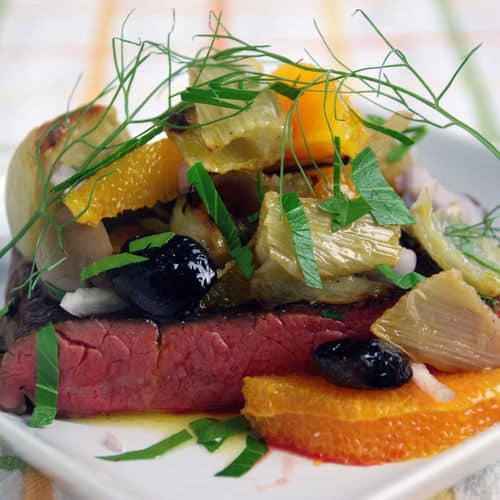 This sous vide tri-tip steak recipe takes full advantage of the rich, meaty cut and is tenderized through the sous vide process and pared with an exotic fennel, orange, and olive salad.
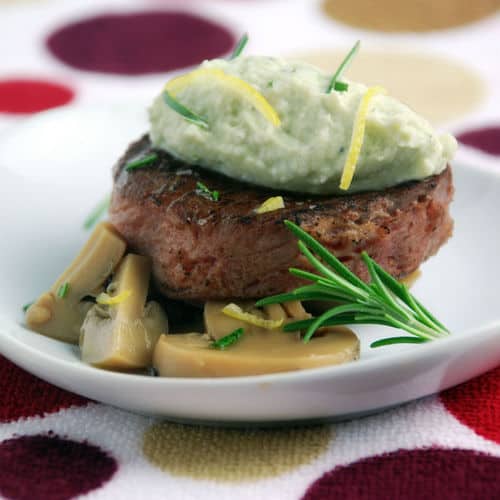 Sous vide filet mignon, or beef tenderloin, is a super tender, lean cut of beef that is often served as a fancy steak and works great with the low temperature precision cooking.
 Sous vide flank steak can be a great low cost meal. Flank steak is becoming more expensive as it increases in popularity but you can still find good deals on it sometimes.
 One of my wife's favorite foods is quesadillas, luckily for me they are easy to make and can have a lot of variety. For sous vide quesadillas you simply cook the meat ahead of time then assemble the quesadillas when you are ready to eat.
 Often during the week you only have time for a quick meal. These Asian Glazed sous vide ribeye steaks are one way to still have a flavorful dish without spending a lot of time in the kitchen.
Because it is already very tender there are several ways to sous vide ribeye steak. You can cook it by thickness, using a sous vide thickness ruler, just long enough to bring it up to temperature. You can also cook it for up to 8 hours because of the amount of fat in the steak. One of my favorite ways is to sous vide it for several hours then chill it in a 1/2 ice - 1/2 water bath.
Often during the week you only have time for a quick meal. These Asian Glazed sous vide ribeye steaks are one way to still have a flavorful dish without spending a lot of time in the kitchen.
Because it is already very tender there are several ways to sous vide ribeye steak. You can cook it by thickness, using a sous vide thickness ruler, just long enough to bring it up to temperature. You can also cook it for up to 8 hours because of the amount of fat in the steak. One of my favorite ways is to sous vide it for several hours then chill it in a 1/2 ice - 1/2 water bath.
 Use sous vide to serve great meals around a busy schedule. One of the ways sous vide can do this is by taking a traditionally difficult meal and making it very easy. For most people, doing a BBQ brisket during the busy work week is impossible because there is no time to smoke and grill it for hours.
Using sous vide for the brisket allows you to prep and bag the brisket in 10 minutes when you have time. Then a few days before you want to eat simply put it in the water bath and forget about it. Once it's cooked you quickly sear the sous vided brisket and you're all ready to eat.
Use sous vide to serve great meals around a busy schedule. One of the ways sous vide can do this is by taking a traditionally difficult meal and making it very easy. For most people, doing a BBQ brisket during the busy work week is impossible because there is no time to smoke and grill it for hours.
Using sous vide for the brisket allows you to prep and bag the brisket in 10 minutes when you have time. Then a few days before you want to eat simply put it in the water bath and forget about it. Once it's cooked you quickly sear the sous vided brisket and you're all ready to eat.
 Even though sous vide steak recipes are very prevalent it's hard not to write about them in summer because I spend so much time outside grilling. I also love the convenience of sous vide steak. I can toss a pouch into the water bath and whenever we're ready to eat later in the day I can pull it out and quickly sear it on the grill.
 One of the hard parts about summer cooking is keeping the food light. While I love pulled pork, big steaks, and juicy hamburgers I can only take so much heavy food. This sous vide beef salad with figs recipe is a nice alternative to some of the heavier meals while still giving me my beef fix.
 Now that spring is finally coming around, it's time to start grilling. There's lots of ways to utilize sous vide with your grill but sometimes you just want a simple meal with some grill flavor. This sous vide recipe fits the bill.
 One of the most convenient uses of sous vide cooking is to use it to defrost and cook foods that come straight from the freezer. As long as the food is vacuum sealed you can take it directly from the freezer and put it in a pre-heated water bath. Just add 15-30 minutes to the recommended cooking time from the sous vide recipe and it should come out perfectly.
 This sous vide recipe for steak salad is a different use of the sous vide technique. Instead of using sous vide to cook the meat for a long period of time, you use it to add perfectly medium rare steak to your salad. The thyme and garlic help add a little kick to the steak while the honey mustard dressing adds a strong flavor to the salad itself.
 Thanks again and happy cooking!