What is Sous Vide Cooking?
For an extended look at sous vide cooking, sous vide tips, and over 100 recipes, check out our new book
Beginning Sous Vide which you can get at Amazon.com or as a
pdf download.
Sous vide, or low temperature cooking, is a process of cooking food at a very tightly controlled temperature, normally the temperature the food will be served at. This is a departure from traditional cooking methods that use high heat to cook the food, which must be removed at the moment it reached the desired temperature.
Sous vide was first used in kitchens in France in the 1970s and traditionally is the process of cooking vacuum sealed food in a low temperature water bath. This process helps to achieve texture and doneness not found in other cooking techniques. Sous Vide has slowly been spreading around the world in professional kitchens everywhere and is finally making the jump to home kitchens.
As sous vide has become more popular and moved to the home kitchen the term now encompasses both traditional ?under vacuum? sous vide and also low temperature cooking. Some preparations rely on the vacuum pressure to change the texture of the food but in most cases the benefits of sous vide are realized in the controlled, low temperature cooking process. This means that fancy vacuum sealers can be set aside for home sealers or even zip lock bags.
The basic concept of sous vide cooking is that food should be cooked at the temperature it will be served at. For instance, if you are cooking a steak to medium rare, you want to serve it at 131 degrees Fahrenheit.
Normally you would cook it on a hot grill or oven at around 400-500 degrees and pull it off at the right moment when the middle has reached 131?F. This results in a bulls eye effect of burnt meat on the outside turning to medium rare in the middle.
This steak cooked sous vide would be cooked at 131?F for several hours. This will result in the entire piece of meat being a perfectly cooked medium rare.
You can read more on our website about
sous vide equipment,
sous vide recipes, and general
sous vide safety.
Why Cook with Sous Vide?
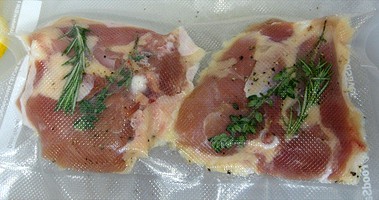
Just like any method of applying heat to food there are many reasons to use sous vide cooking, depending on what you are trying to accomplish.
Because food cooked in the sous vide style is vacuum sealed, when it is cooked it doesn't lose any of the food's moisture or flavor. This is especially exciting when compared to braising, where most of the flavor is transfered to the sauce because of the lose of juices.
Sous vide cooking also allows you to cook tough cuts of meat at an incredibly low temperature, not only tenderizing them but keeping them perfectly cooked at medium-rare. This is very effective for shanks, roasts and other pieces of meat that are typically braised or roaster.
Cooking food in the sous vide method also results in new textures. This is because the vacuum sealing process can make food denser (like watermelons, for example), and because the lack of the typical high high can result in silky and smooth textured food that is impossible to replicate in the oven or pan.
A great example of the power of sous vide cooking is short ribs. Normally short ribs are braised for hours or cooked in the oven at low heat, resulting in very tender meat that has lost most of its flavor to the sauce. Using sous vide you can cook those ribs perfectly medium-rare, retain all their moisture and juice, and tenderize them all at the same time, resulting in the best short ribs you've ever had.
Why Not Sous Vide
Like any culinary technique, sous vide cooking also has it's drawbacks.
The first is the lack of information about sous vide cooking. There is finally some information showing up in books and the internet but a lot is still scattered around (granted, we're trying to accumulate the best of it here). It can be hard to get good information for starting out.
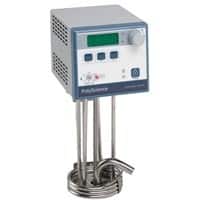
The second is the high cost of good sous vide equipment. Until recently, the only effective way to do sous vide cooking was by using
thermal immersion circulators or
thermal circulating water baths, both of which run over a thousand dollars. Now there are some less-expensive alternatives that are turning up, such as
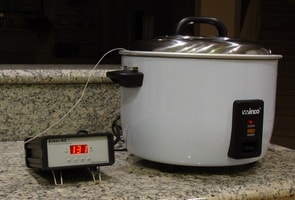
sous vide cooking controllers, that reduce the cost of getting started to a few hundred dollars. (of course, you can always just
cook sous vide on your stove).
The third potential disadvantage is the length of time required to cook many items. Even more than braising or roasting, most sous vide cooking is done at very low temperatures for very long lengths of time. For the above short ribs, it is recommended that you cook them around 130 degrees Fahrenheit for about 36 hours. Of course, the majority of this time you don't have to do a single thing to them.
For an extended look at sous vide cooking, sous vide tips, and over 100 recipes, check out our new book
Beginning Sous Vide which you can get at Amazon.com or as a
pdf download.
Related Amazing Food Made Easy Articles
All tags for this article:
 This article is by me, Jason Logsdon. I'm an adventurous home cook and professional blogger who loves to try new things, especially when it comes to cooking. I've explored everything from sous vide and whipping siphons to pressure cookers and blow torches; created foams, gels and spheres; made barrel aged cocktails and brewed beer. I have also written 10 cookbooks on modernist cooking and sous vide and I run the AmazingFoodMadeEasy.com website.
Affiliate Disclaimer: Some links on this site might be affiliate links that if used to purchased products I might receive money. I like money but I will not endorse something I don't believe in. Please feel free to directly go to any products I link to and bypass the referral link if you feel uncomfortable with me receiving funds.
If so, please join the more than 19,000 people who receive my exclusive newsletter and get a FREE COPY of my printable modernist ingredient cheatsheet.
Just click on the green button below!
Get Started!
Thanks for signing up! I look forward to sending you recipes, links, and exclusive content and offers that you can't find anywhere else on the site, and I'll send you a free copy of my modernist ingredient cheatsheet too!
Enter your first name and email below, and I'll see you on the inside!
Thanks for signing up! I look forward to guiding you through the process of discovering sous vide with amazing articles, recipes, and tips and tricks you can use to impress your friends and family by turning out amazing food time and time again!
Enter your first name and email below, and I'll see you on the inside!

 Just like any method of applying heat to food there are many reasons to use sous vide cooking, depending on what you are trying to accomplish.
 Cooking food in the sous vide method also results in new textures. This is because the vacuum sealing process can make food denser (like watermelons, for example), and because the lack of the typical high high can result in silky and smooth textured food that is impossible to replicate in the oven or pan.
 The first is the lack of information about sous vide cooking. There is finally some information showing up in books and the internet but a lot is still scattered around (granted, we're trying to accumulate the best of it here). It can be hard to get good information for starting out.