Sealing Your Food for Sous Vide
To sous vide cook you will need to seal your food before putting them into the water bath. There are several ways to do this, each with their own trade offs.
This information, as well as over 100 recipes, is available in our book
Beginning Sous Vide which you can get at Amazon.com or as a
pdf download.
Chambered Vacuum Food Sealers
The preferred method of sealing your sous vide food is to use a
chambered vacuum food sealer. These industrial vacuum sealers make use of a large vacuum chamber that the sous vide food pouch is placed in. You then close the chamber and all air is removed and the bag is sealed. These are the kind of vacuum sealers used in professional kitchens.
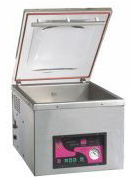
Since these vacuum sealers suck all air out of the bag, they ensure maximum heat transfer between the water and the food. Vacuum food sealers are also great for applying marinades to food since you don't need nearly as much marinade.
The biggest benefit of chambered vacuum sealers is that you can easily vacuum seal food that has liquids or marinades in it, something that lesser sealers have trouble with. However, that ability comes at a high cost, as many chambered vacuum sealers cost over $1,500.
Both Industria and MSA sell chambered vacuum sealers under their brands. You can even get some from Amazon.com like the
VacMaster
.
Standard Vacuum Food Sealers
For home cooks the preferred method of sealing your sous vide food is to use a standard
food vacuum sealer. These vacuum sealers work by inserting the opening of the sous vide food pouch into a small depression. The sealer then sucks the air out of the pouch and seals it.
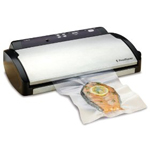
Preparing sous vide food with standard vacuum sealers still gives you that advantage of sucking all the air out of the bag and ensuring maximum heat transfer between the water and the food. But the biggest downside to these vacuum sealers is that the process of sucking out the air also can suck out any liquid in the pouch, making it much more difficult to tightly seal foods with marinades. Many home chefs will still use these sealers and will just seal the bag more loosely if there are marinades or liquids in the pouch.
There are many types of standard vacuum sealers, with
Tilia FoodSavers
being the most common brand. Tilia FoodSavers make a number of different vacuum sealers, most sold between $100 and $200. Some other vacuum sealers are the Rival Seal A Meal and the Deni Vacuum Sealer.
We recommend going onto
Amazon.com
and reading the reviews there to get a feel for the different models.
Zip Lock Bags
If you want to just try out sous vide cooking you can also use ziplock bags to seal the food. The zip locks will have more air in them than the vacuum sealed bags and the seal isn't as strong, but they will work fine for short cook foods, especially if you are just getting started with sous vide cooking.
We recommend the
Ziploc Freezer Bag
. The seem to hold up better and are of higher quality. The French Culinary Institute also agrees with that position.
Saran Wrap
The other easy method of sealing food for sous vide cooking is to wrap the object in many layers of saran wrap. This method will allow easy transfer of heat, similar to the vacuum sealed food, but the seal isn't nearly as strong. It should work for sous vide cooking for short amounts of time.
Related Amazing Food Made Easy Articles
All tags for this article:
 This article is by me, Jason Logsdon. I'm an adventurous home cook and professional blogger who loves to try new things, especially when it comes to cooking. I've explored everything from sous vide and whipping siphons to pressure cookers and blow torches; created foams, gels and spheres; made barrel aged cocktails and brewed beer. I have also written 10 cookbooks on modernist cooking and sous vide and I run the AmazingFoodMadeEasy.com website.
Affiliate Disclaimer: Some links on this site might be affiliate links that if used to purchased products I might receive money. I like money but I will not endorse something I don't believe in. Please feel free to directly go to any products I link to and bypass the referral link if you feel uncomfortable with me receiving funds.
If so, please join the more than 19,000 people who receive my exclusive newsletter and get a FREE COPY of my printable modernist ingredient cheatsheet.
Just click on the green button below!
Get Started!
Thanks for signing up! I look forward to sending you recipes, links, and exclusive content and offers that you can't find anywhere else on the site, and I'll send you a free copy of my modernist ingredient cheatsheet too!
Enter your first name and email below, and I'll see you on the inside!
Thanks for signing up! I look forward to guiding you through the process of discovering sous vide with amazing articles, recipes, and tips and tricks you can use to impress your friends and family by turning out amazing food time and time again!
Enter your first name and email below, and I'll see you on the inside!

 .
. and reading the reviews there to get a feel for the different models.
 . The seem to hold up better and are of higher quality. The French Culinary Institute also agrees with that position.